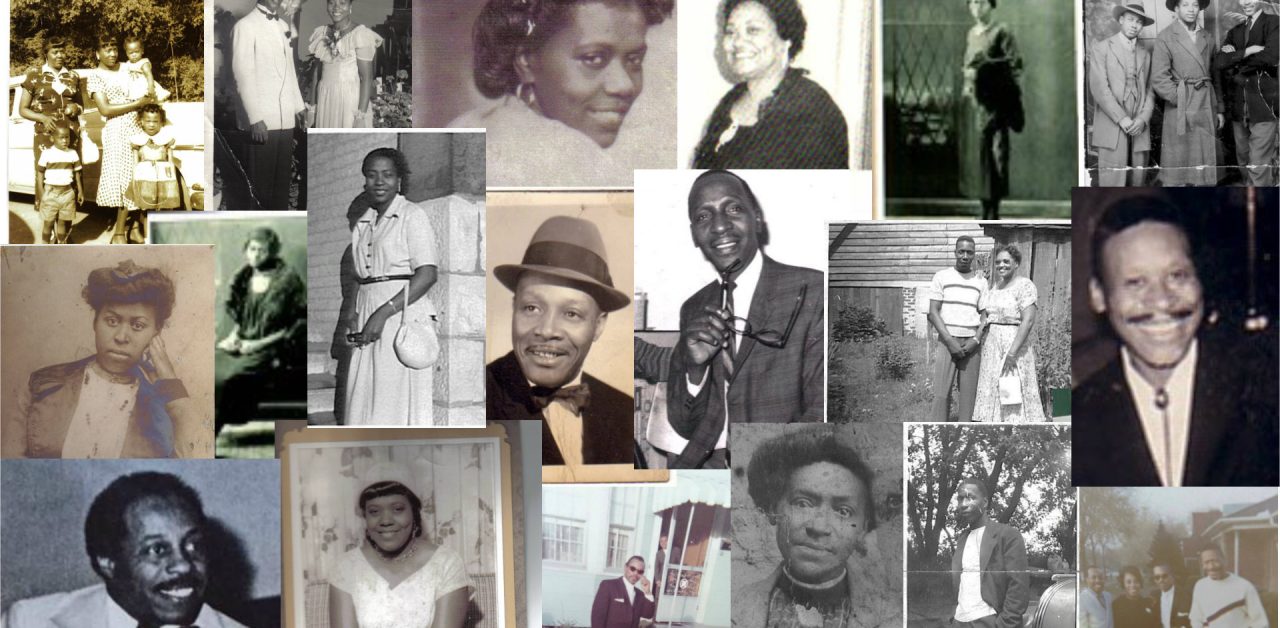
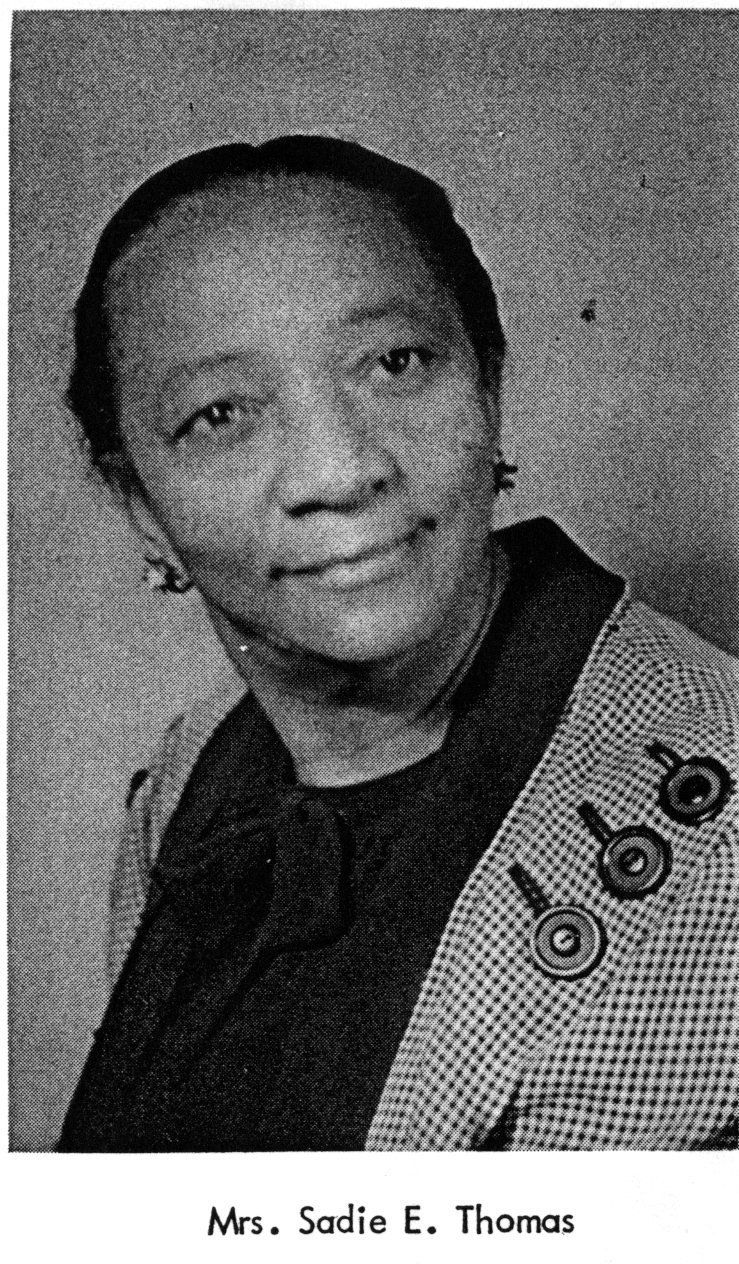
On this Juneteenth, I’m reflecting on the legacy of my beloved Aunt Sadie Robinson, who was born in Bryan, Texas – a place just miles from Galveston, where freedom was finally proclaimed to the last enslaved people on June 19, 1865.
Aunt Sadie was a lifelong Bryan, Texas resident and was very active in the community and public school system. She carried the wisdom of generations before her, and her life was a powerful testament to resilience, grace, and perseverance.
As we celebrate freedom today, I honor her memory and the countless other Black women like her -whose names may not be in history books, but whose courage helped pave the way for us all.
This Juneteenth, I remember Aunt Sadie not only for who she was, but for the history she represented and the future she helped shape.
That in itself is the story – a woman who quietly and consistently shaped her world through education, mentorship, and advocacy.
Remembering Sadie Robinson Thomas
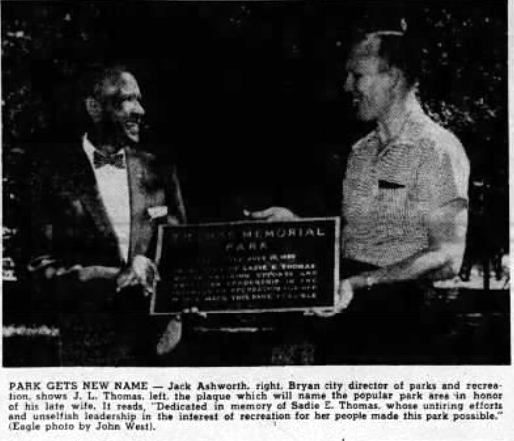
On a summer day in Bryan, Texas, children once gathered under shade trees, laughter echoing through the playground of what was then called Eastside Park. But in 1959, two years after her passing, that park was renamed Thomas Memorial Park – a rare and powerful tribute to a Black woman whose quiet leadership shaped an entire community.
Sadie Robinson Thomas graduated cum laude from Wiley College in Marshall, Texas, an extraordinary feat for a Black woman in the early 20th century South. She pursued advanced studies through correspondence courses at the University of Chicago and the University of California before earning her master’s degree in English from Columbia University. While teaching full time, she also raised three foster children and served as a matron of the Eastern Star, leading Bible studies and community initiatives with grace.
Alongside her husband, Lev Thomas, Sadie helped lead the fight for school integration in Bryan – an effort that succeeded in transforming educational access for generations of Black children. Her advocacy extended to public health, where she led a drive that secured the appointment of the state’s first Black health nurse.
I imagine her standing at the front of a crowded classroom – shoulders square, eyes kind, voice calm. To her students, she wasn’t just a teacher; she was a second mother. To her neighbors, she was a trusted listener and moral compass. And to her community, she was a force.
In 1959, that force was honored when the city renamed the park in her memory. Her legacy, once rooted in quiet service, became quite literally part of the landscape.
Want to Know How I Uncovered Sadie Robinson’s Hidden Legacy?
The story you just read is only the beginning. In my GeneaGrams newsletter, I take you behind the scenes to show exactly how I pieced together Sadie’s journey—from newspaper archives to school board records and long-forgotten community bulletins.
✨ Subscribe to my Substack now to learn the step-by-step research strategies I used—and discover how you can uncover the hidden stories in your own family tree.
Discover more from RootStories
Subscribe to get the latest posts sent to your email.
 RootStories