September- National Sickle Cell Awareness Month

I have always been a strong proponent for knowing your family health history. Genealogists should be aware of the advantage of using genetics to not only make a familial connection, but also uncover possible links to hereditary diseases and ailments. Consequently, my focus for September is National Sickle Cell Awareness Month because of my own health history. As a carrier of the trait, which is usually asymptomatic, I was one of the few that had milder symptoms of the disease. As a child I remember suffering painful episodes that were attributed to “growing pains”. Only now do I realize that these were not in my head, and I have had bouts of anemia through my adult life. Although there are very few who know about the disease, there are approximately 100,000 people suffering with the condition in the United States alone.

What is Sickle Cell Disease?

Sickle cell disease (SCD) is a genetically inherited blood disorder. There are several different forms of SCD, and the most common and usually the most severe form is sickle cell anemia.
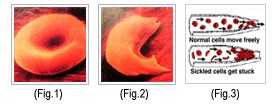
Fig 1 sickle cell


  • Normal red blood cells are round like doughnuts, and they move through small blood tubes in the body to deliver oxygen. (fig.1)
  • Sickle red blood cells become hard, sticky and shaped like sickles used to cut wheat. (fig.2)
  • When these hard and pointed red cells go through the small blood tube, they clog the flow and break apart. This can cause pain, damage and a low blood count, or anemia. (fig.3) (Proudford, 2014, para. 2)


My father was aware that he carried the sickle cell trait, and he was adamant that I be tested for it as an infant. I knew since I was younger what that meant, but by the time I was old enough to have children of my own I forgot about the potential to pass the disease to my own children. “The sickle cell gene is passed from generation to generation in a pattern of inheritance called autosomal recessive inheritance. This means that both the mother and the father must pass on the defective form of the gene for a child to be affected” (Causes, 2014). That being said, my father had to inherit the trait from one of his parents, and so on. I happen to know that it was my paternal grandmother, so it was passed to her from one of her parents, but I don’t know which one. In a case where I was uncertain of parentage the condition would be able to help me narrow down my list. Unfortunately, many of the death certificates that I research do not list sickle cell as a contributing factor as a cause of death, and in the example of my paternal family, many of them died from heart disease. I wonder if I would be able to determine if death was a result of end organ disease and undiagnosed SCD or a predisposition to heart disease?
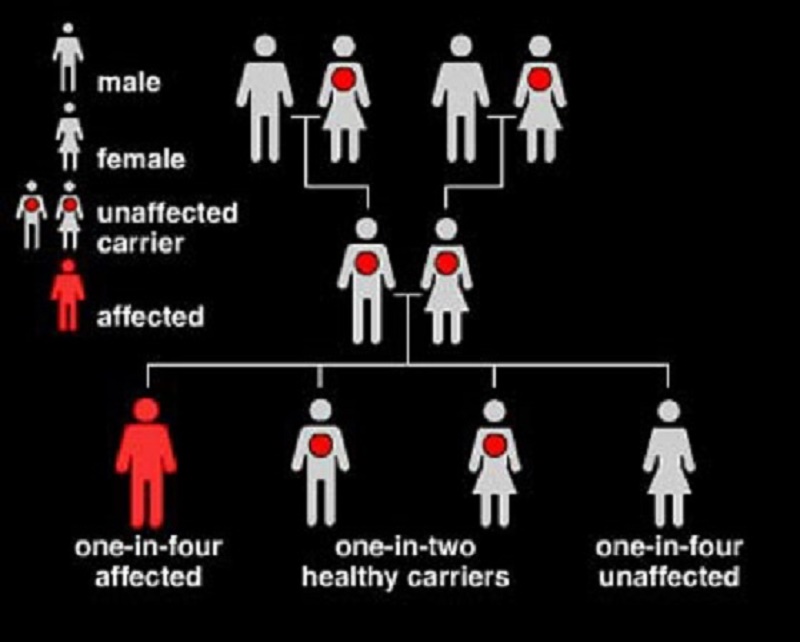
 

Inheritance Chart
Inheritance Chart


There are many clues in my genealogical research that force me to pay attention to my own health, specifically when I see the diseases and conditions my ancestors suffered from.  The study of genetic genealogy allows me to take my research one step beyond what I see in records. However, the standard DNA tests that are available today for genealogy do not test the markers that show genetic diseases. I believe it is just as important for genealogists to leave a legacy of medical information for their descendants because knowing this history can save their life. Therefore, in my own family pedigree charts I always include the cause of death along with other vital information, which also makes it easier for me to create a chart to show patterns of ailments and diseases. There are also web-based tools for those who feel comfortable storing this information online. The Surgeon General’s Family History Initiative was created to encourage all American families to learn more about their family health history. “My Family Health Portrait Tool” can be found online at https://familyhistory.hhs.gov/fhh-web/home.action.
 

NIH State-Of-The-Science Conference


Today, not only do we understand that such uncommon diseases as sickle cell are hereditary, but that even common ailments such as diabetes, many cancers, and heart disease may also have a genetic link. Making a pedigree chart, taking the simple blood tests, and registering for the marrow donor lists can make a difference in your own family health history, as well as those who are affected with similar conditions. It could mean alleviating unnecessary pain and suffering, or possibly life and death.

Next month I will continue in the series of genetic genealogy for Breast Cancer Awareness Month.  “Currently the National Institutes of Health (NIH), through its Human Genome Project, is mapping the 100,000 genes in the human cell. We now know, for instance, that a woman with a certain damaged gene, BRCA1, has a 90% chance of getting breast cancer during her lifetime. If a search through your family tree shows a high incidence of breast cancer, then this gene may be lurking in your pedigree” (NGS, para. 7, 2013).


Read more specifics about sickle cell disease at http://www.examiner.com/article/national-sickle-cell-disease-awareness-month


References

Committee on Genetic Genealogy. (2014). Retrieved September 2014, from http://www.ngsgenealogy.org/cs/genetic_genealogy_committee

Sickle Cell Anemia, Causes. (2014) Retrieved September 2014, from http://www.mayoclinic.org/diseases-conditions/sickle-cell-anemia/basics/causes/con-20019348

Genetics and Genealogy. (Feb 2013). Retreived September 2014, from http://www.kerchner.com/books/introg&g.htm

What is sickle cell disease? (2014). Retrieved September 2014, from http://www.wepsicklecell.org/about/.
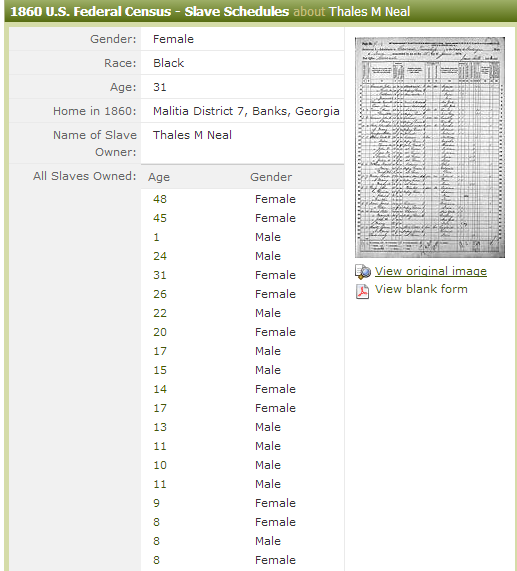


Neal Family-Slave Owner Research (part 1)

I have been researching my family history for many years, yet the slave owners of my maternal Neal family line seem to be the most elusive.  I followed the suggested tips to locate them: searching for other than the “Neal” surname, searching military records, Freedman’s Savings and Trust records, and searching nearby families on corresponding 1870 census records. In this series of posts titled “Slave Owner Research” I will look for clues using the methods above, follow clues in estate documents, investigate alternate surname possibilities, and finally reach out to slave owners families to collaborate and share information.

My first tip when I began looking for slave owners was to search the 1870 census for 10 pages forward and backward from my known family. I didn’t find any Neal families that matched the age and genders even remotely close. That could mean they moved to a different county after emancipation, they were owned by a different surname, etc. However, one document that I found early on was sticking out to me. I knew my 3rd great grandfather Gabriel Neal was listed on the 1867 Return of Registered Voters in Banks County, Georgia. I found a man named Thales Neal who was listed in the exact same militia district, and had been living there for the same amount of time.

(click to enlarge)

The 1860 Slave Schedule showed that he owned about 27 slaves; only a few matching the ages of my ancestors on the 1870 census. When I started researching this family even more closely I found out that Thales’ middle name was Major after his grandfather, and Thales’ father was John Mayfield Neal. They married into families of Crawfords and Littles. I would later discover the custom of taking the mother’s maiden name as the middle name.

In my own family I found similar names of Major, Mayfield and Crawford. I thought they were unusual names and I had not found any other relatives they could have been named after. Aside from being geographically close and having some possible matches in age on slave records, I had no valid source to prove that Thales Neal was the slave owner. However, whenever I found new information on Thales Major or John Mayfield Neal I felt that tingle that meant I was on the right path.

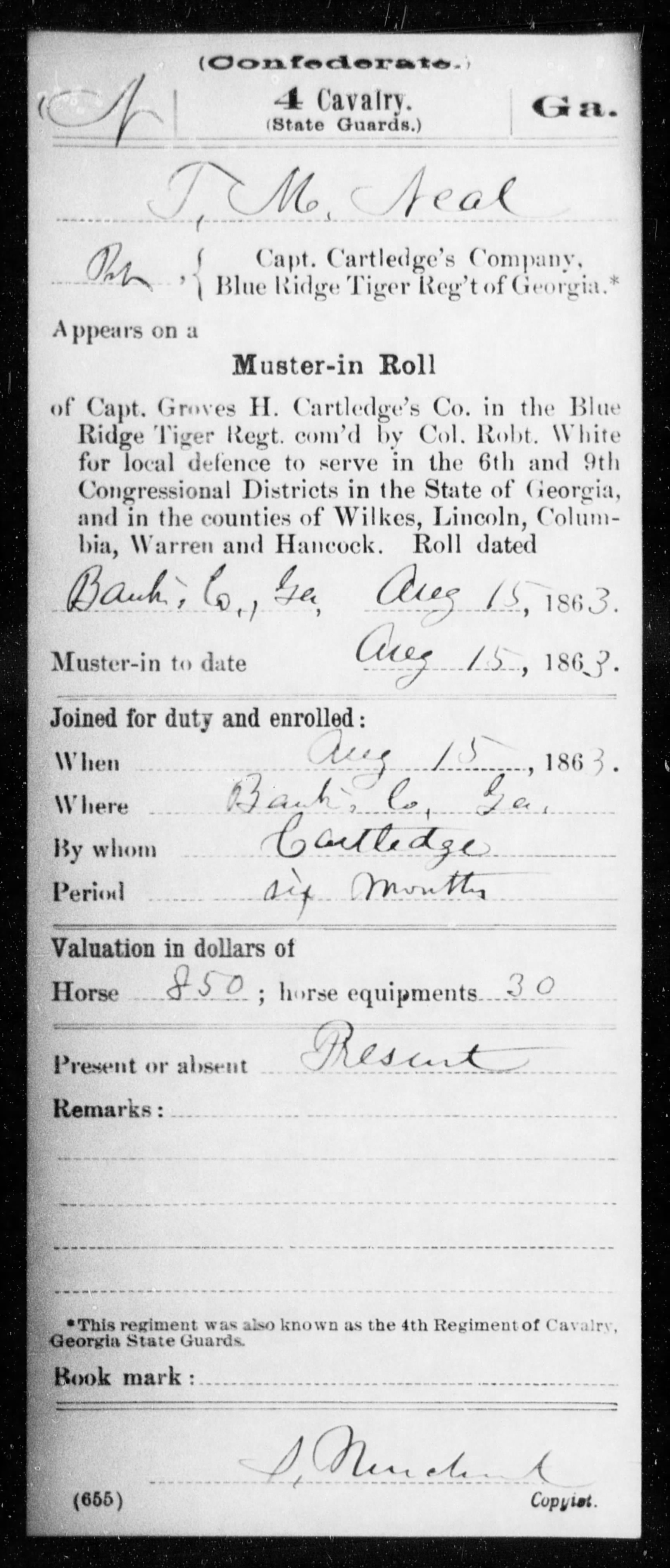
I ran into a few road blocks along the way. I searched everywhere for a will or papers for Thales Neal. He is listed on the Muster-In Roll of the Confederate 4th Cavalry (State Guards) on August 15, 1863.  There he participated in Sherman’s famous March to the Sea, and was wounded during the skirmish at Griswoldville in late November 1864. He would succumb to his injuries approximately two weeks later.

 (click to enlarge)

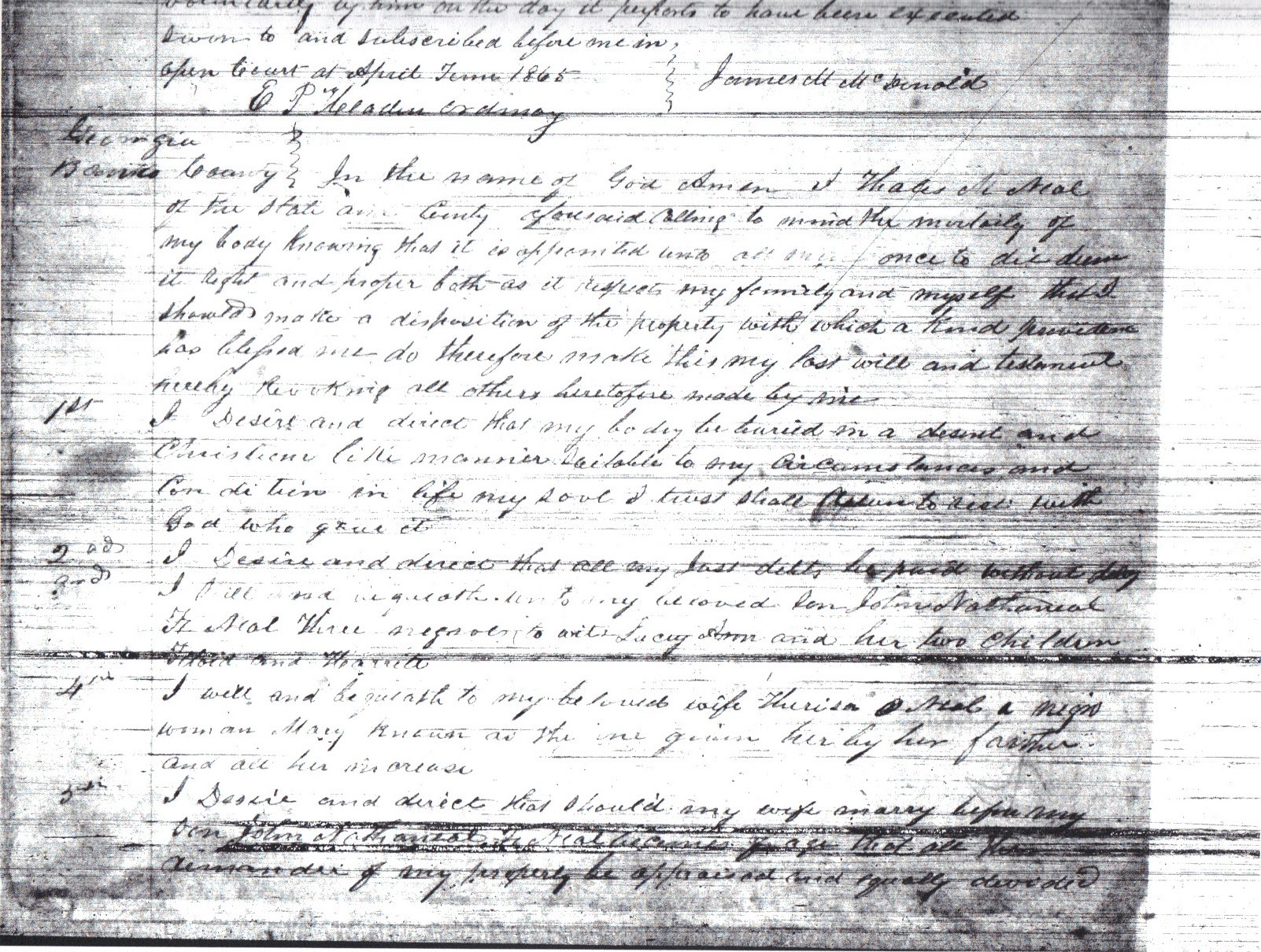
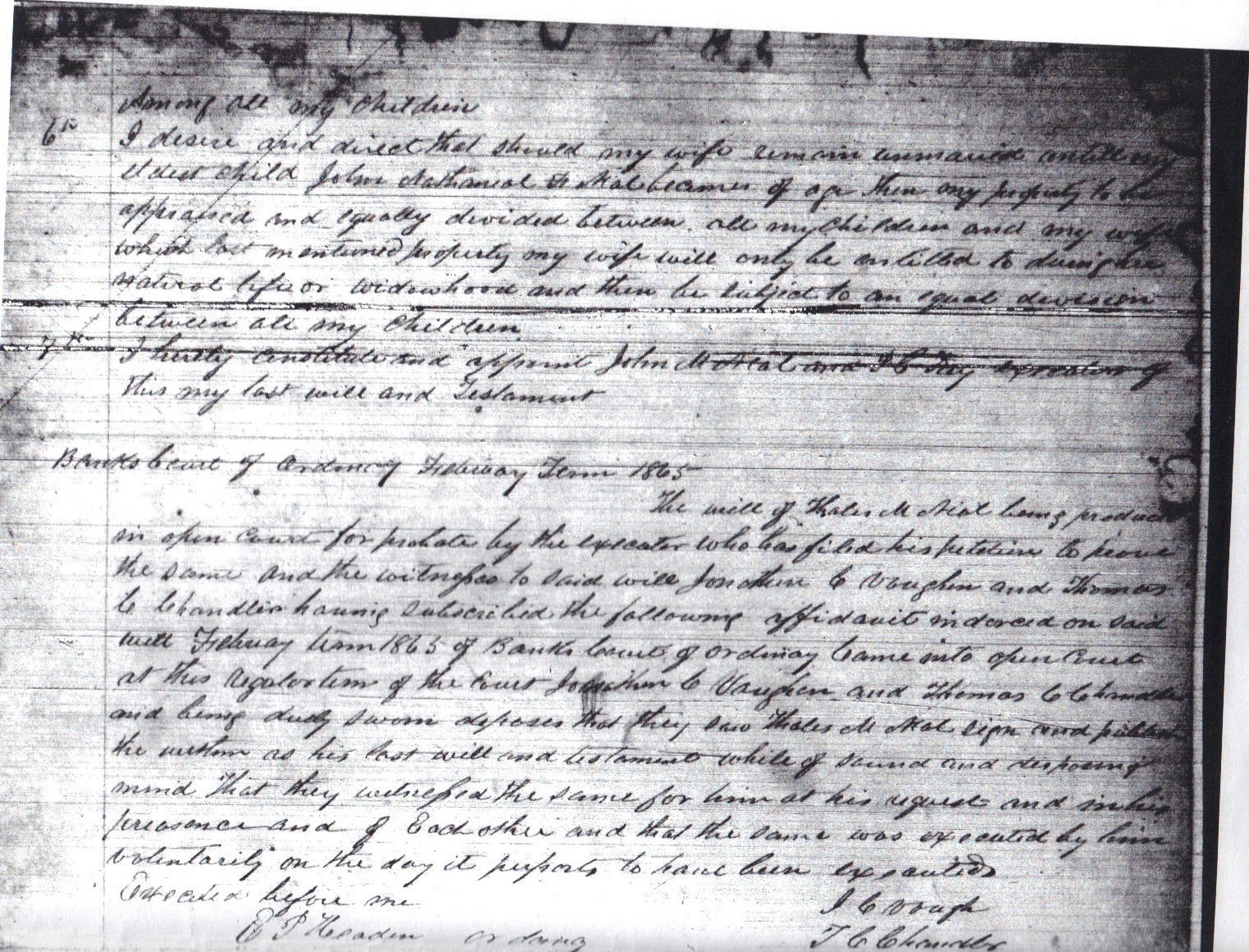
I finally located a will that was probated in February 1865, and in it he states “…I will and bequeath unto my beloved son John Nathaniel F Neal three negroes to wit Lucy Ann and her two children Floyd and Harriet. I will and bequeath to my beloved wife Therisa Neal a negro woman Mary known as the one given her by her father and all her increase…” What happened to the remaining slaves between 1860 and 1863, and why were these two women the only slaves mentioned in the will?


 (click to enlarge)

 (click to enlarge)

I went back over the will and re-read the line that says “Mary known as the one given her by her father and all her increase”. Thales’ wife Therisa was given a slave named Mary by her father. Therisa’s maiden name was Holley, and all of a sudden I remember that my great grand aunt Clara Allen’s husband Judge was the son of Floyd Neal and Mary Holley! Could this possibly be the same Mary mentioned in Thales’ will? And could Floyd be the son of Lucy Ann mentioned in the will?

As of this point I cannot find a death date for Floyd or Mary to order death certificates, and when I do I am hoping that they will provide the answers to these questions. In my next post  I will search through Freedman’s Bank records, alternate slave owner surnames and connections through death certificates.

Tuskegee Airmen- Bertrand Holbert

The 99th Pursuit Squadron, later dubbed the Tuskegee Airmen, was activated in March of 1941. In honor of this important anniversary I was drawn back to my own research and I found a possible connection to the prestigious airmen in my paternal Holbert line. Of course, with every new discovery there are always more mysteries that come along to challenge your findings.

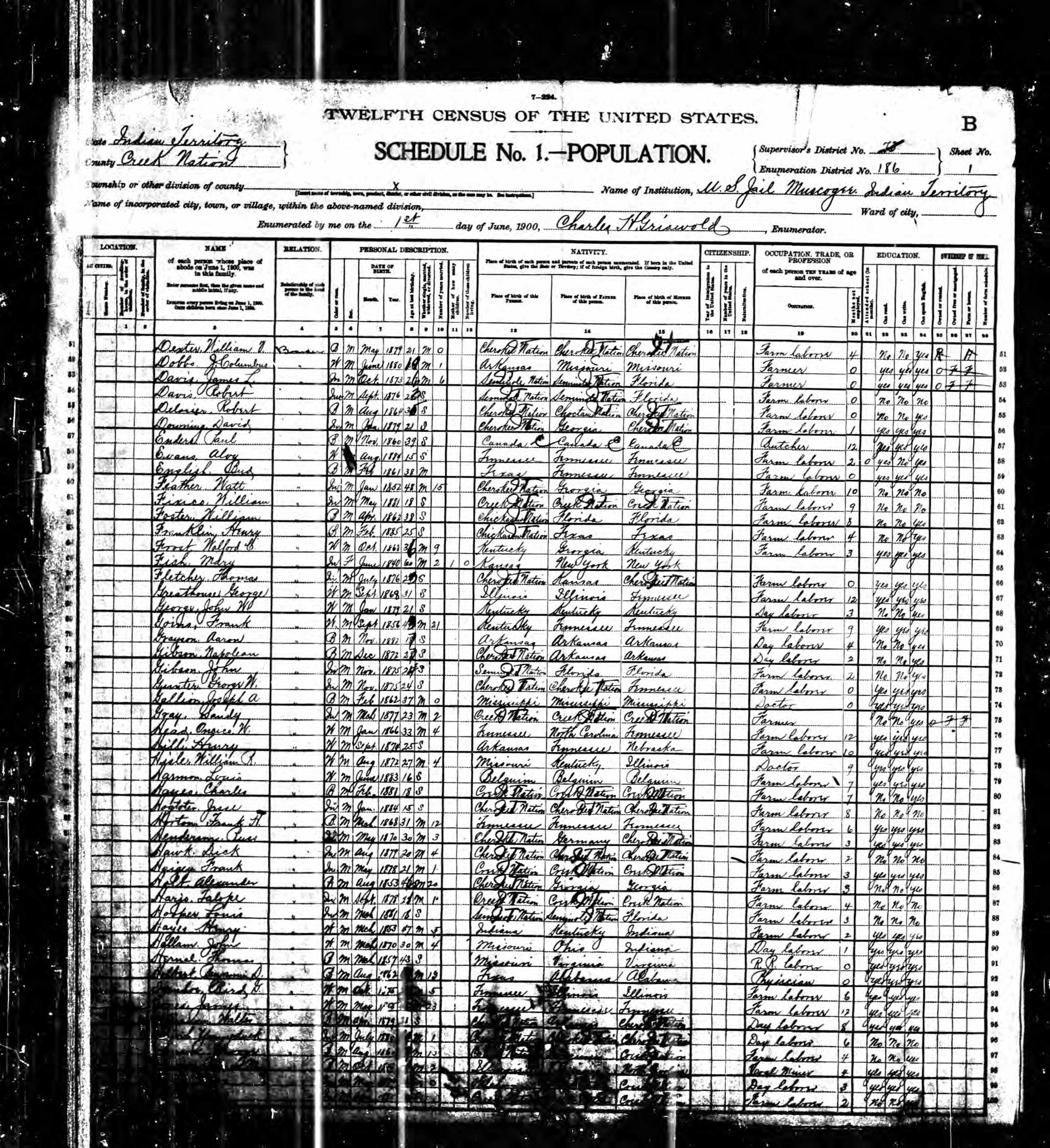
Much of my research of the Holbert family reveals a long line of educators, and that tradition continued in the line of my 2nd great grand uncle, Benjamin D. Holbert. On the census records from 1870 and 1880 he is listed as the son of Franklin and Susan Holbert, living in Cherokee, Texas. In 1890 I found a city directory from Waco, Texas that lists a Benjamin D. Holbert as a colored teacher. The only record I found for anyone matching his birth date in 1900 was in the U.S. Jail in Muscogee, Oklahoma, Indian Territory. It states he was born in Texas and both of his parents were born in Alabama, which matches my uncle, but it lists his occupation as “physician”. This census also states Benjamin has been married for 13 years. Although I don’t find any more records for him after 1900, there is a marriage record for a B.D. Halbert and Annie Marie Estell in nearby Mclennan, Texas dated December 29, 1886 (14 years from that 1900 census). Coincidence?

1900 US Federal Census-Township 1, 2, and 3, Creek Nation, Indian Territory

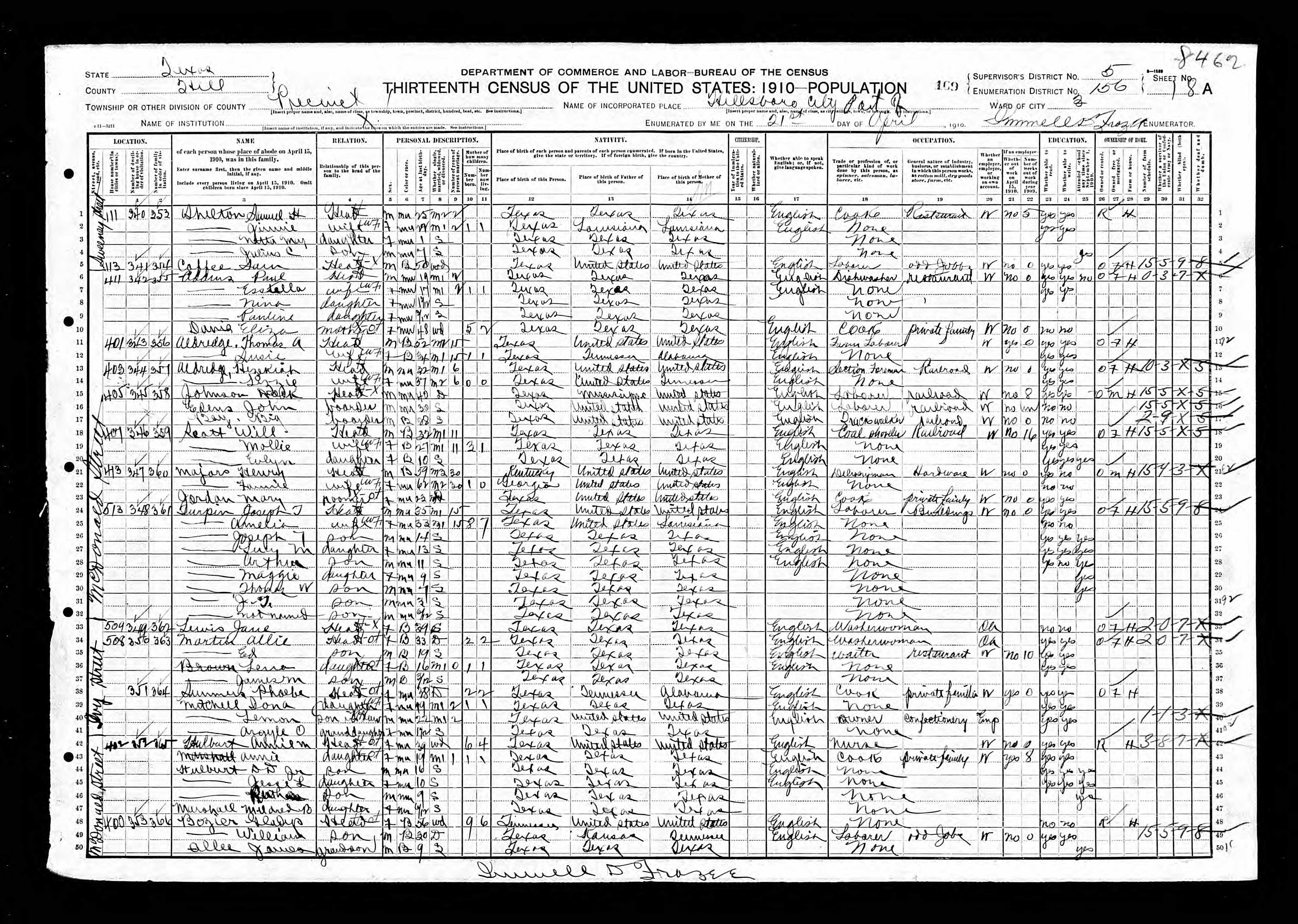
Ann Marie Estell was born in Waco, Texas around 1868. I do not find her on a 1900 census, but I do have a city directory from as early as 1902 that puts her in Waco, Texas. In 1910 she is living in Hill County, Texas with four children: Annie, Benjamin Jr, Jessie and Ruth. All of the children’s death certificates confirm their father’s name as B.D. Holbert.

1910 US Federal Census-Hillsbro Ward 3, Hill, Texas

The only son, Benjamin Jr., is living with his wife, Sarah, on the 1928 city directory in Dallas, Texas. He is using the initials B.D. Holbert from this point forward. However, on the 1930 census he is now living in Seminole, Oklahoma. He is widowed and is boarding in the household of William and Emma Simmons. His current age, age at first marriage, and his occupation of public school teacher match my ancestor’s information. On the 1940 census he is still in Seminole, Oklahoma but is now married again and a principal in the public schools. Was that an error to list him as widower on the last census? If so, why was he living apart from his family?

Sarah Cummings Holbert is still living in Dallas, Texas with her two children, Bertrand and Kenneth, on the 1930 census. She also states that she is widowed. According to her death certificate she had remarried and was now Sarah Sears. I have not yet been able to find her or her children on the 1940 census, but I do know that she was also a public school teacher.

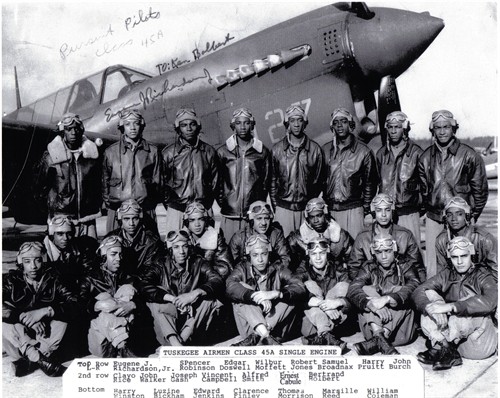
It is Benjamin and Sarah’s son Bertrand Holbert who was a member of the Tuskegee Airmen Class 45A Single Engine Pursuit Pilots. I don’t have the proof I would need to make this a positive match even though there are relatives who have listed them in their family tree. I have so many ancestors named Benjamin, B.D., and Annie to keep them all straight. I need to order the death certificates of all the names that I don’t have already, and hopefully they will clear up some of the confusion.

Tuskegee Airmen Class 45A Single Engine Pursuit Pilots

Image
Class 45A, fighter pilot (single-engine) group graduation class photo, with P-40 plane in background (courtesy of Sam Broadnax).

That would be my cousin Bertrand Holbert, 2nd row, last one on the right.

Photo retrieved from http://www.military.com/Content/MoreContent1/?file=BH_Tuskegee

A Stroke of Genius – Dayton WPA Artist Robert Lee Neal

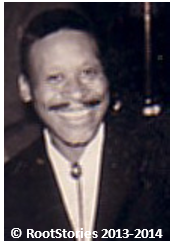
I had a discussion with other African American genealogists about using Ancestry family trees. My opinion was that I hoped that more subscribers would make their trees public instead of private. The connections that I’ve made from researching public trees has been invaluable, and one in particular stands out in my mind. My final tribute during Black History Month is a salute to my first cousin Robert Lee Neal (1917-1987).

Robert Lee Neal Photo courtesy of C.H. Neal, ©RootStories, All Rights Reserved.
Robert Lee Neal
Photo courtesy of C.H. Neal, ©RootStories, All Rights Reserved.

My grandfather’s sister told me many stories about their father Roy Neal, and even though I have no pictures of him I wanted to find any of his nine sisters and brothers. While researching the family trees on Ancestry I happened to find a connection with one of the brothers, William Neal. This was a rare occasion because most of the trees are private and don’t allow me to make sure I have a positive match. I emailed the owner and he wrote back explaining that indeed, his great uncle was the same William Neal! I was so excited to share information with him that we emailed back and forth for days, sending pictures and sharing more stories of the other side of our families. I could never find such personal information from a book or online, so to me it was more valuable than any other resource.

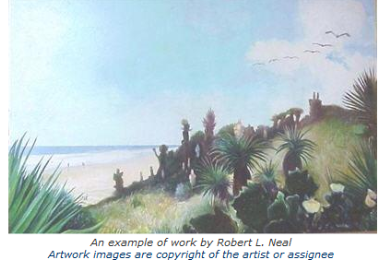
It was in this exchange that I found one of William Neal’s sons Robert Lee Neal. Although I learned that all of William’s sons were creative, intelligent and witty, I was drawn to Robert’s artwork and the dedication to his craft. I found magazine articles from when he was a child entering art contests, and continued through his adult years studying under famous WPA artists. Here’s an excerpt from one of the newspapers:

Another local artist who worked with one of the WPA’s most famous artists and a well-known African American Dayton painter. Neal did not live in Dayton when he was involved with the WPA. A native of Atlanta, he started painting under the guidance of the famous African American muralist Hale Woodruff. “He began his studies when he was 15, and his lessons cost 50 cents a day,” said Neal’s widow, Alberta Smith Neal. “When he was about 18, Mr. Woodruff wanted him to enter a big show, but Bob didn’t have the right clothes and couldn’t afford to attend the opening. Mr. Woodruff rented him a limousine and a tuxedo so he could go, and Bob ended up taking first place in the show-his painting was judge to be better than his teacher’s (Woodruff)”.

Neal moved to Dayton in the early 1940’s, after the WPA program had ended, but many local artists recall his stories of Woodruff and his own work with the WPA murals. “Bob was Woodruff’s understudy for the Amistad murals at Talledega College in Alabama,” said Michael Sampson, local artist and coordinator for public communication at the National Afro-American Museum and Cultural Center at Wilberforce University. The murals were painted in 1939, just before Neal came to Dayton, and Sampson has a copy of a letter written by Woodruff to his biographers that clearly establishes that “Bob actually did the cartoons (under drawings) for the murals, and he posed for all the hand drawings and some of the figures done in the mural.” Photographs of the mural series, titled The Mutiny Aboard the Amistad 1839, were on display in the DAI exhibition, and those who knew Neal could recognize his long expressive hands on the men in the paintings; in addition, many of the figures- and even some of the faces- share the same features of Neal’s self-portraits.

In Dayton, Neal continued to paint, and some recall his mural that decorated the Lakeside Grill (now the Crescendo) on Germantown St. The club is still operating, but the mural has been painted over. None of the local WPA artists in this article are with us today, and unfortunately, neither is most of their WPA work. Undoubtedly, not all of the work produced under the auspices of the WPA could be labeled as “great”, but the WPA and the art that it spawned is part of America’s –and Dayton’s- history, and its goal to integrate art into daily life played an important role in our public art legacy. It is ironic that, in just half a century, so much work that was intended to preserve local heritage has been destroyed and forgotten by the “future generations” which it was intended to inspire. Perhaps the most important lesson to be learned from such devastation is that it is imperative to preserve and document public art. After all, it is our public art that, in part, documents and preserves our times, our history, and our heritage.

Copyright 1998 Virginia Burroughs-Dayton Voice

Robert Neal

Black History Month-Guest Blogging and Musings

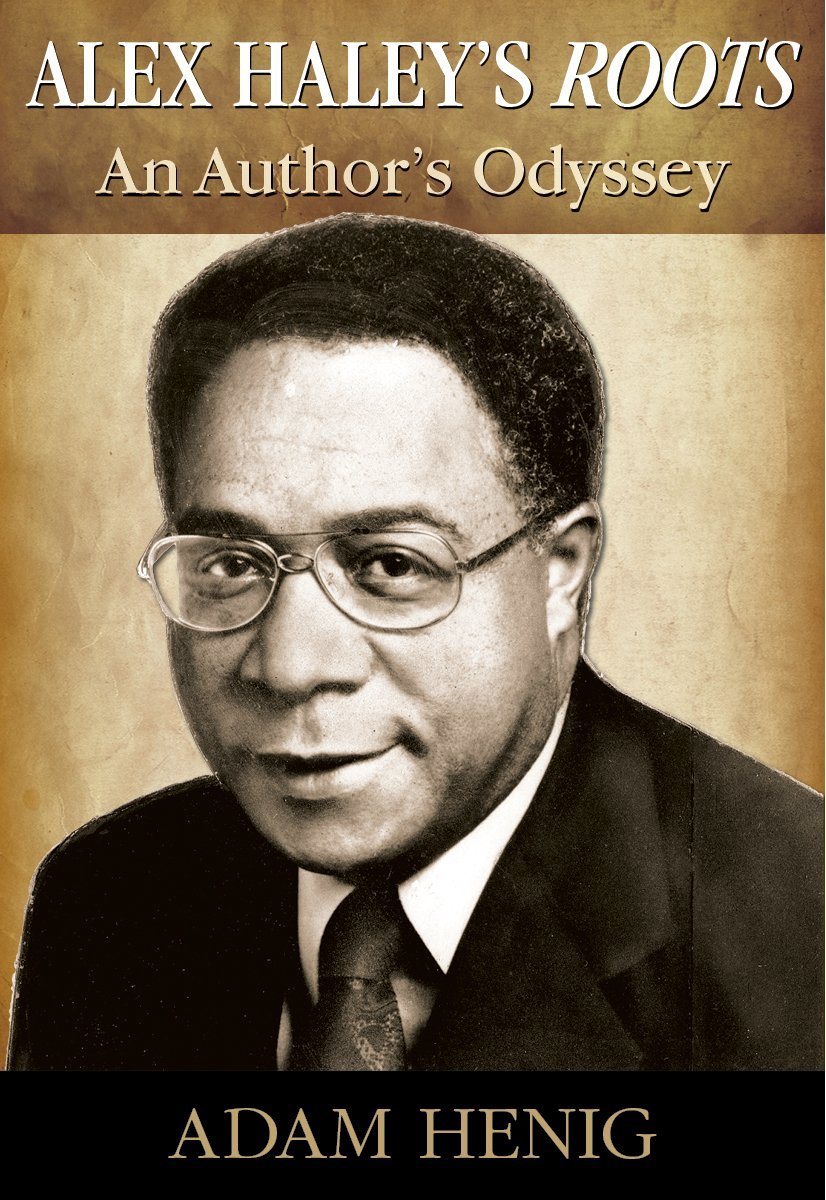
This month I was chosen as guest blogger by Adam Henig, a writer, blogger and author of the new book Alex Haley’s Roots: An Author’s Odyssey. I was excited for the opportunity to pay tribute not just to my ancestors, but also the many African Americans who persevered through what seemed like insurmountable odds and still contributed so much to American society with minimal recognition.

In paying this tribute I began to notice some stark contrasts. Discovering ancestral histories was celebrated in the original work by Alex Haley; today there is an apathy and disconnection from mother continents for African Americans. For example, the preference to be called “Black” instead of African American. We are the only culture that separates ourselves from Africans living in America today. We can’t speak the language, we don’t know native culture and customs, and when we look at native Africans we don’t have a spiritual connection that once bonded us and helped us survive the shackles of slavery. Roots presented our history to the world and inspires African Americans to know their mother tongue again. This re-connection should be celebrated every month to ignite that desire in every future generation of family historians and genealogists.

So I was inspired by another one of my fellow bloggers, Dante Eubanks, who recently posted on his blog Our Alabama and Georgia Ancestors a list of the family lines that he is actively researching. I thought this would be the perfect way to call out my own ancestors to ensure that their accomplishments and rich family histories will be shared not just during Black History Month, but every month for many years to come. I will be featuring all of these ancestors in greater detail in future posts. Thanks again to Adam Henig at www.adanhenig.com, and Dante Eubanks at http://ouralabamaandgeorgiaancestors.blogspot.com for
providing insight and motivation for this post.

Maternal Georgia, Virginia, and Tennessee Ancestors

Grandfather:

Raymond Nelson Neal b. 1916 Maysville, Ga   d. 1994 Milwaukee, WI

Great Grandparents:

Leroy Neal b. 1890 Maysville, GA   d. 1936 Milwaukee, WI
Pearl Allen b. 1898 Anderson, GA   d. 1924 Milwaukee, WI

2nd Great Grandparents:

Asbury Elson Neal b. 1848 Banks, GA   d. 1924 Gainesville, GA
Laura Ann Ware b. 1853 Madison, GA   d. 1922 Banks, GA
George Allen b. 1856 Athens, GA   d. 1900 Athens, GA
Ella Mackey b. 1867 Georgia   d. 1927 Milwaukee, WI

3rd Great Grandparents:

Gabriel Neal b. 1822 Virginia   d. unk
Anna Little b. 1825 Georgia   d. unk
Russ White b. 1820 unk   d. unk
Martha Ware b. 1825 Tennessee   d. unk
Jacob Mackey b. unk   d. unk
Lousenda Snell b. 1822 Georgia   d. unk

Paternal Texas, Oklahoma, Alabama, and Louisiana Ancestors

Grandmother:

Rachel Caroline Holbert b. 1931 Palestine, TX   d. 1997 Milwaukee, WI

Great Grandparents:

Allen Holbert b. 1894 Palestine, TX   d. 1958 Palestine, TX
Rachel Caroline Robinson b. 1896 Palestine, TX   d. 1974 Palestine, TX

2nd Great Grandparents:

Allen C Holbert b. 1869 Rusk, TX   d. unk
Georgia Sanders b. 1870 Anderson, TX   d. unk
Wesley Robinson b. 1872 Louisiana   d. 1928 Palestine, TX
Mary Ann Williams b. 1865 Bryan, Texas   d. 1900 Bryan, TX

3rd Great Grandparents:

Franklin Holbert b. 1825 Limestone, Alabama   d. unk
Susan Crenshaw b. 1839 Limestone, Alabama   d. 1928 Paden, OK
Armstead Sanders b. 1817 North Carolina   d. unk
Emily Hicks b. 1830 Georgia   d. unk
Wesley Robinson, Sr. b. 1852 Louisiana   d. unk
Jana Sims b. 1855 Louisiana   d. unk

1867 Return of Registered Voters-Banks County, Georgia

In honor of Dr. Martin Luther King, Jr.’s day I was inspired to concentrate on my own Georgia ancestors. I revisited one of the documents that I found early on in my research that shows Gabriel Neal, (my third great-grandfather), on the 1867 Return of Registered Voters for Banks County, Georgia.

“WE CERTIFY to the correctness of the above Return,”

Board of Registration

P. P. Casey

J. G, Stringer

C. W. Beal

J. B. S. Davis

Benjamin Dunagan

Courtney Beal

Source: Microfilm, Georgia State Archives         

Contributed by Jim Davis

Transcribed 2005 by Jacqueline King

Professor Henry Lewis Gates, Jr. presented a similar document to U.S. Congressman John Lewis on an episode of Finding Your Roots that brought him to tears. I also feel that same tug at my heart and sense of pride that my great-grandfather only two years out of slavery recognized the importance of his vote. I’ve stared at this document numerous times searching for a deeper understanding of what it must have meant to Gabriel and my other family members to finally be able to participate in this process.

http://www.youtube.com/watch?v=2b9DOY0h_9U

But in 1867, what exactly was the process for newly freed African Americans?

Congress passed the first Reconstruction Act on March 2nd, 1867 which divided the Confederacy into five military districts each governed by a Union general. The first two Reconstruction Acts were followed by a series of supplementary acts that authorized the military commanders to register the voters and supervise the elections. As a result of these measures all of the states had returned to the Union by 1870.

While some sources describe that as many as 700,000 Blacks were registered by 1868, it made me wonder how many of them would cast a vote in the next election. And if they did make it to the polls, would they be educated enough to make their own choice, or were they being coerced by political agendas? Blacks would only have a short time to celebrate the Fifteenth Amendment ratified in 1870, and would soon meet with opposition from Southern states in the form of Jim Crow laws, intimidation and violence.

My ancestors in Banks County, Georgia were proud farmers, and even 13 years later on the 1880 census only one of Gabriel’s daughters could read and write. I believe that Gabriel took a strong leap of faith to make a better life for his children and grandchildren in signing his voter registration. In that step he would attempt to ensure his family’s freedom for generations to come.

When I voted for the first African American president in the last 2 elections I kept Gabriel and his sacrifices in my thoughts. I worked as a volunteer to register new voters, donated financially and continue to work as an advocate in Washington, D.C.

The words of Dr. King resonate also continue to resonate with me in my genealogical research. The foundation of my study requires me to “sift and weigh evidence” and to maintain a level of integrity in my work. It is therefore equally as important for me to give back, educate, and enlighten others on the joy of finding their own ancestors.

“To save man from the morass of propaganda, in my opinion, is one of the chief aims of education. Education must enable one to sift and weigh evidence, to discern the true from the false, the real from the unreal, and the facts from the fiction.” Martin Luther King, Jr.,-The Purpose of Education

Reference

Bragg, William H. “Reconstruction in Georgia.” New Georgia Encyclopedia. 10 January 2014. Web. 20 January 2014.

Cousin Connections-Neal Family, Georgia to Ohio

I found another cousin today! I can’t say enough about my distant family and the help they have provided to link our family trees. I have a profile coming up about my cousin Robert Lee Neal, and I was able to find out so much information from his nephew on Ancestry. Today I decided to review our correspondence for any possible clues I missed. There were quite a few, actually, that rekindled my curiosity for this line that relocated to Ohio from Georgia. There were two females and I did not know if they had married, and what their new surnames would be. Looking more carefully I realized he had provided one of the surnames that I thought was a first name. After making this correction I was lucky enough to find that the husband had a very unusual first name (love it when that happens), and had a son named after him. A quick check on Facebook and BAM!!! Two new third cousin connections!! I plan on doing a post later on how I make connections to living descendants using Facebook and other resources.

Welcome to RootStories!!

Laura Ann Ware Neal

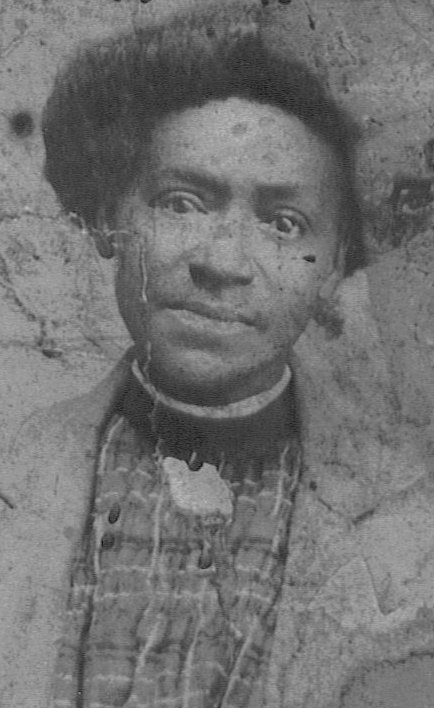
In anticipation of the AAGSAR #BLOGFEST 2014 I wanted to reintroduce my family history blog and welcome any new readers who love family history or genealogy. I dedicated this to all of my African American ancestors and family who have guided me through my life journey. I was inspired to become a genealogist after seeing the picture on the left of my second great-grandmother Laura. It’s the oldest picture I have of any family member on either side of my family. My grandfather had this picture hanging on his bedroom wall for as long as I could remember. She has the same eyes as my grandfather, and I would stare into them trying to figure out what she was thinking when this picture was taken. There is no identifying information on the photo, and I could certainly try to date when it was taken by her clothing. As I got older, I felt compelled to find out more about her, her family, and everything in between.

Laura Ann Ware was born around September 1853 in Madison County, Georgia. The state of Georgia did not maintain vital records until after 1919, so I had to confirm an approximate date of birth from census, marriage, and death records.

In the 1870 census Laura would have been at least 17 years old. The only federal census I could find that showed her living in Madison County lists her in the household of Jeremiah and Martha Deadwyler. All of the children have the last name of Deadwyler, although I have no documents that support that Laura ever used that name. The date of the census is August 4th, 1870, so Laura would have still been single.

On December 4th, 1870, Laura was married to Asbury Neal in Madison County, Georgia. On this record Laura’s maiden name is shown as Ware.

In 1880, the census shows the Neal household still living in Madison County. Asbury and Laura Neal are living with their children Martha (8), Arthur (6), William (4) and Gabriel (2).

The 1900 census lists the Neal household in Banks County, Georgia. I believe the boundary lines for the county changed and that the family still lived in the same place as in 1880. Asbury and Laura are now the parents of 11 children: Willie (23), Mary (18), Francis (16), Savanah (13), Samuel (11), Roy (8), Lonnie (5), Charlie (2), and Gabriel (21). I am still curious why Gabriel was listed at the bottom of the list when the rest of the children are in age order. It suggests he is a step son or son-in-law. When I follow Gabriel to his death in Ohio in 1946 his father is listed as Asbury, but his mother is “unknown”. This also suggests that Laura was not his biological mother. Martha Deadwyler is also living in the household listed as mother-in-law.

1910 is the last census Laura is listed in. She and Asbury are in the household along with Roy (18), Lonnie (15), Charles (13), and Martha Ware the mother-in-law. I thought it was interesting that Martha is now using the Ware surname. She is widowed, so perhaps she is using her maiden name as it is shown on Laura’s death certificate.

Laura passed on October 5th, 1922 from uremia poisoning. She was buried in Hurricane Grove cemetery, and her father Russ White is named as the undertaker. Her spirit lives on in all of her descendants, and I am proud to have a photo reminder of the strength and bravery that she must have had.

New Kids On The Blog

It’s that time when everyone is focused on making resolutions to make themselves better for the new year. I decided long ago not to make resolutions, but rather set attainable goals to accomplish throughout the year.

While reflecting on my research last year I noticed that I was making some progress, but I had no clear focus. I was relying on my ancestors to guide me and help me discover what they wanted me to see, when they wanted me to find it. However, I lost the “drive” to follow those clues and I was struggling for inspiration. I gave up writing and attending webinars. I even stopped attending my local genealogy group’s meetings. I knew that if I wanted to continue to break down brick walls I was going to need to find something or someone to give me that extra push.

Almost like clockwork, my ancestors seemed to be screaming at me to keep going. I happened to click on a random email that told of an African American Genealogy & Slave Ancestry Research Group (AAGSAR) that would be having a blogging event in January. When I found their Facebook group I was so excited that I dove in and started reading all of their archives. Luckie Daniels had assembled people like me that understood the power of researching together and sharing with each other.

Now, I have a renewed sense of energy and enthusiasm to carry into 2014. One of the most important goals that I set was to continue my collaboration with living descendants I found in my research. I cannot put into words how satisfying it was to find and correspond with cousins that I hope to meet in person one day. They help me understand the individuals that were my ancestors, and even without any existing photographs I can see them clearly. I need to fill out these profiles completely and remember that they are more than just data from records. I am more than confident that my new family at the AAGSAR will help keep me on that path and I hope that more people will catch that fever!

Follow our journey at New Kids On The Blog.

Tin Can Sailors

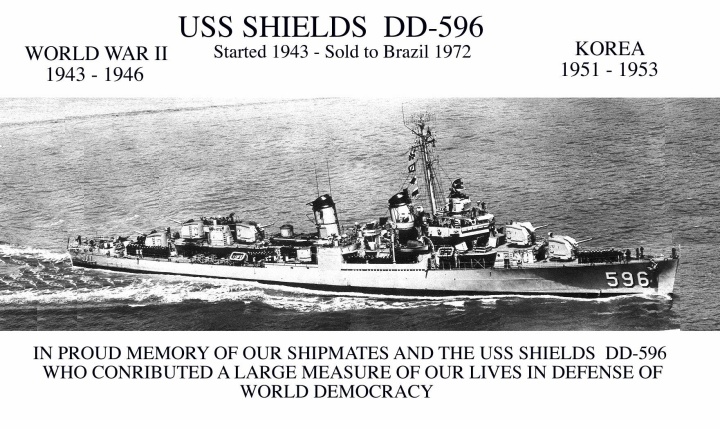
The name “Tin can sailor” is a term used to refer to sailors serving on Navy destroyers. I had never heard of the term until recently, while researching my 2nd cousin Melvin Holbert, I discovered that he was on the USS Shields (DD-596) as a stewardsman from 1954-56.

DD596-1951

Between 18 July 1954 and 30 November 1963, Shields was deployed to WESTPAC seven times. When not assigned to the western Pacific, she engaged in normal destroyer activities out of her home port, San Diego. One of the highlights of this decade of Shields’ career was her participation in the commemoration of the triumphant return of Theodore Roosevelt’s “Great White Fleet” to San Francisco. Another important occasion was the award of the Battle Efficiency “E” for overall combat readiness in August 1960 (http://www.history.navy.mil/danfs/s12/shields.htm).

Aside from being in a cramped and uncomfortable place in every day there were other health risks associated with serving on destroyers.

    Asbestos Risk on the USS Shields (DD-596)

Because asbestos is essentially fireproof, it became the primary means of fireproofing seafaring vessels beginning in the 1930s. Naval vessels use many pieces of equipment that generate high amounts of thermal energy, such as turbines and pumps. The Navy saw that asbestos could be used in a variety of ways throughout its fleet, particularly as thermal insulation, and continued to use it up to the 1970s.

Sailors on Shields that were primarily employed in repair or maintenance duties generally had the most severe asbestos exposure. The risk was also greater for sailors working in engineering sections and boiler rooms. No member of the crew was completely safe from exposure, as the mineral was also used wrap the vessel’s steam pipes and to pack pumps and valves.

Asbestos material causes mesothelioma by destroying a thin membrane called the mesothelium when it is breathed in. Because exposure to asbestos is the only known cause this cancer, there are usually legal options for Navy veterans suffering from mesothelioma.

Read more: http://www.mesothelioma.com/asbestos-exposure/jobsites/ships/destroyers/uss-shields-dd-596.htm#ixzz2ooV0Gbjh

Haze Gray & Underway. Dictionary of American Naval Fighting Ships. DD-596.
http://www.hazegray.org/danfs/destroy/dd596txt.htm) Retrieved 26 January 2011.

NavSource Naval History. USS Shields (DD-596).
http://www.navsource.org/archives/05/596.htm) Retrieved 26 January 2011.